Exchange Center

ENow Software's Exchange blog built by Microsoft MVPs for IT/Sys Admins.

Posts about:

Hybrid Deployment

Exchange Mail Flow Latency - Monitoring for Hybrid deployments

Email Is Running, But Delivery Is Lagging: The Hidden Impact of Latency

Image of Thomas Stensitzki
Thomas Stensitzki

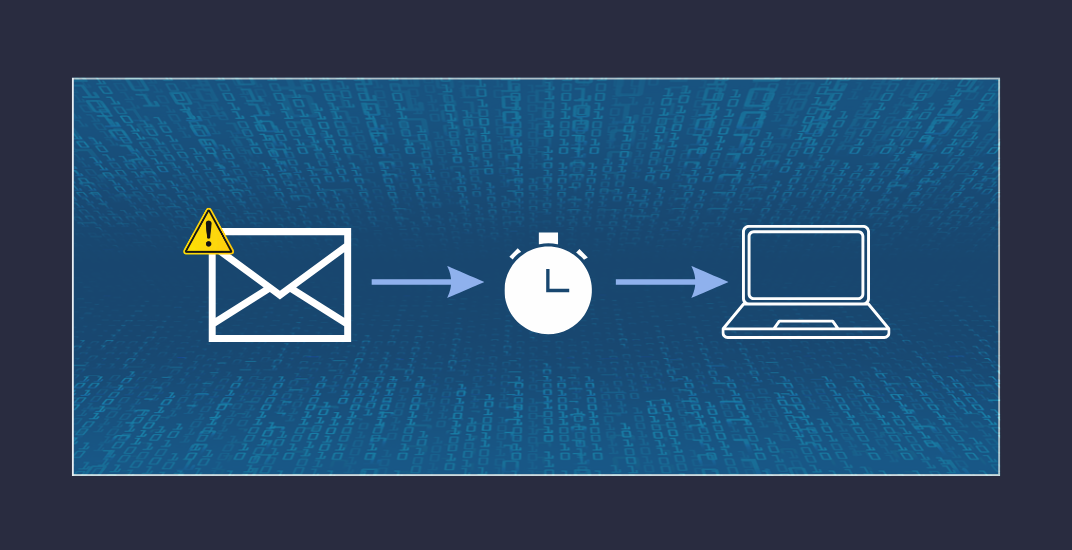
Mail flow appears operational, according to your Exchange server. There are no failed services, NDRs, or help desk tickets. However, someone in sales has been waiting twenty minutes for a reply that was sent out long ago. Even more critically, in trading or finance settings where emails are crucial for time-sensitive operations, messages are accumulating in queues that no one is monitoring.

Read More
Microsoft Exchange Hybrid Centralized Mailflow - Yes or No

Exchange Hybrid Centralized Mailflow – Yes or No

Image of Thomas Stensitzki
Thomas Stensitzki

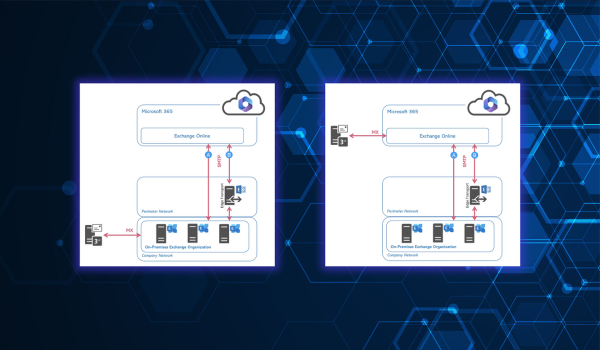
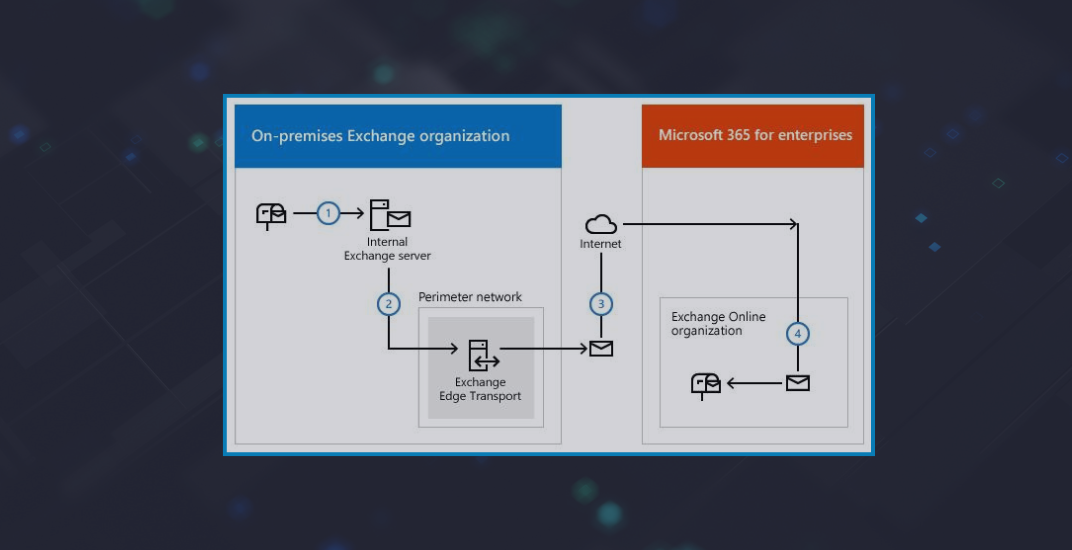
Centralized Mail Flow (also known as Centralized Mail Transport, CMT) is an option in Exchange hybrid environments whereby all outgoing Internet messages from mailboxes in Exchange Online are first routed through the local Exchange organization before being delivered to the Internet. Similarly, depending on the MX strategy, incoming Internet messages can first pass through the local environment before being delivered to cloud mailboxes. The goal is usually to continue applying central compliance, DLP, encryption, journaling, or gateway functions in the local infrastructure. As a rule, CMT is configured as part of the hybrid configuration using the Hybrid Configuration Wizard (HCW).

Read More
Exchange Server SE - Do you still need on-premises Email Solution?

Exchange Server SE – Do You Still Need an On-Premises Email Solution?

Image of Thomas Stensitzki
Thomas Stensitzki

Next year, Exchange Server will turn 30, a remarkable milestone for a platform that was often prematurely declared obsolete. The fact is: email remains an indispensable means of communication. According to CloudHQ's Email Statistics report, the number of global email accounts is expected to rise from approximately 4.8 billion today to over 5.6 billion in the next few years. Today, over 392 billion emails are sent daily, and by 2030, this number is expected to grow to over 500 billion. So, the question is not whether email will remain relevant.  

Read More