Microsoft Service Incident MO1221364 on January 22, 2026

On January 22, 2026, a significant service incident began affecting Microsoft 365 users throughout North America, causing widespread accessibility issues and feature failures.

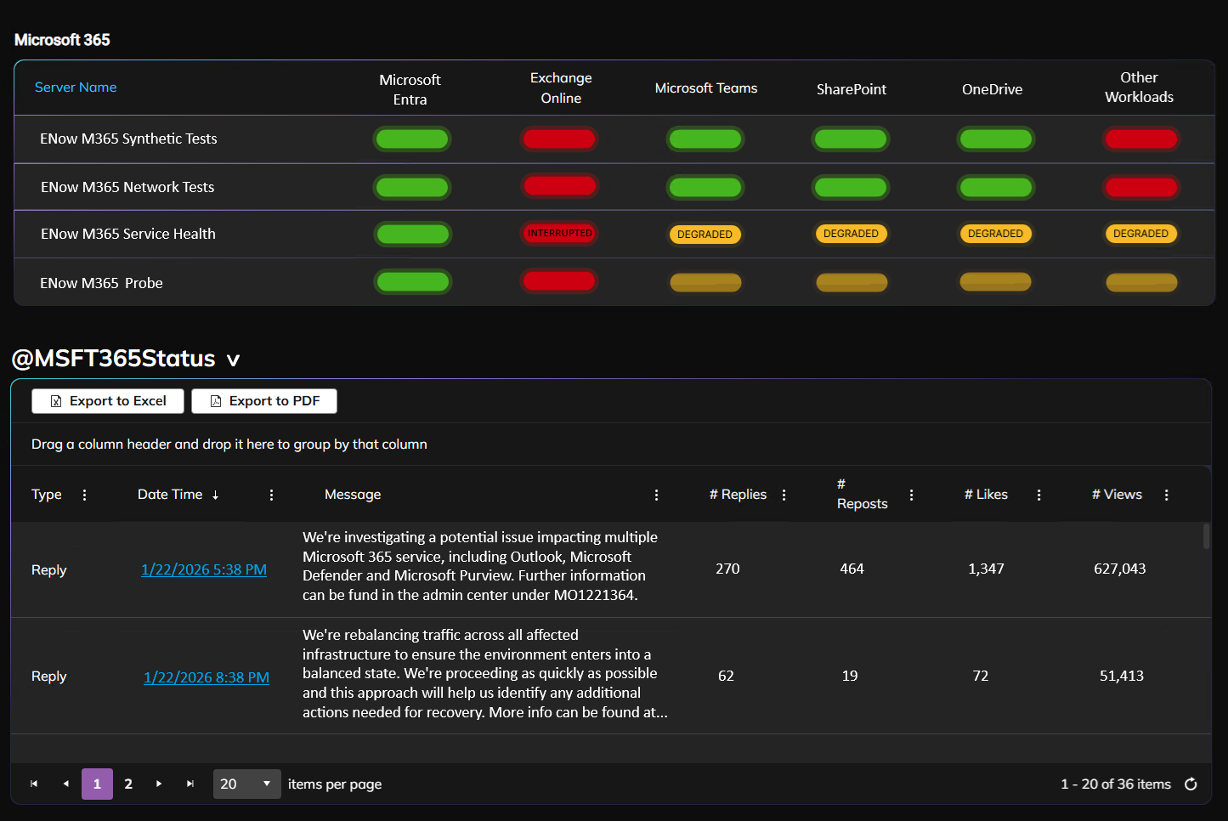
On January 22, 2026, a significant service incident began affecting Microsoft 365 users throughout North America, causing widespread accessibility issues and feature failures.
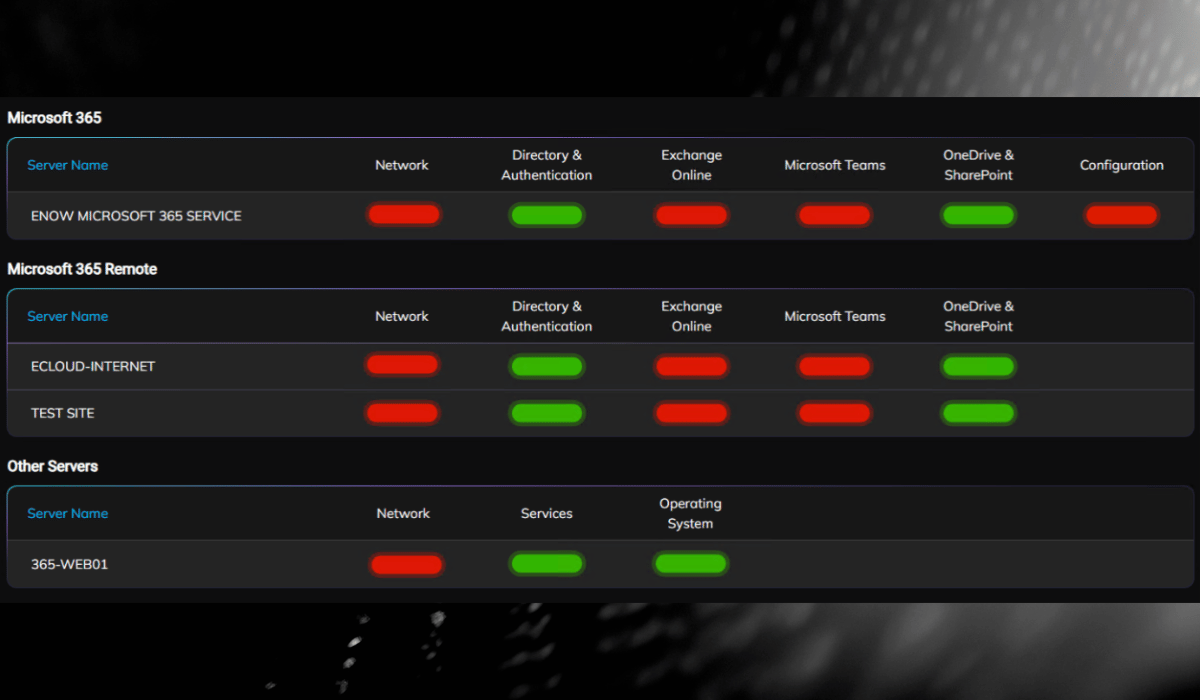
On October 29, 2025, customers and Microsoft services that were leveraging Azure Front Door (AFD) experienced latencies, timeouts, and errors. Numerous downstream services were impacted.
Microsoft reported this outage on the Microsoft 365 Service Health Page as MO1181369.

On 26 December 2024, a data center power event caused intermittent connection issues to downstream Microsoft 365 services.
Microsoft reported this outage on the Microsoft 365 Service Health Page as MO966473.
Did the latest Microsoft outage impact your company? On November 25, 2024, just days before Thanksgiving, Microsoft users experienced issues with Microsoft 365 features and services. By noon Eastern time, more than 5,300 people globally had reported issues with Exchange, Outlook, SharePoint, and Teams.

A global IT outage affected Microsoft 365 and Azure Services on July 30, 2024. The issue was traced back to a DDoS attack, which caused performance issues with Azure Front Door (AFD) and Azure Content Delivery Network (CDN) .
A global IT outage significantly impacted Microsoft 365 and Microsoft Azure services and countless businesses, starting on July 18, 2024. The issue was traced back to an update to the Crowdstrike Falcon agent, which caused widespread disruptions.
In the wake of the embarrassing and widely publicized Midnight Blizzard app breach, are you are aware that Microsoft also suffered from a massive Teams outage on 1/26/24 for almost 13 hours, which substantially impacted global communication abilities?! And then again on 1/29/24?!
It would have been hard for many out there NOT to have felt the pain at some point…
Earlier this week, on Tuesday, July 18th, at approximately 4:47 AM EST, Microsoft communicated via @MSFT365status that they were looking into a service incident issue in which "some" users may have been unable to send Exchange Online emails. In this initial tweet, Microsoft was very quick with specifics as to the cause: a recent change to its free/busy infrastructure.
On back-to-back days this week, customers and users of Microsoft Outlook (June 27th) and Microsoft Teams (June 28th) were unable to access these services. Initially, Microsoft communicated these service issues to its customers and indicated that the impacts were isolated to its North American customers, but community responses and feedback suggested the impacts stretched beyond the NA region.
On Friday, June 9th, 2023, customers and users of the Microsoft Azure Portal were unable to access the service. Microsoft confirmed the incident with several communications to its customers, however, Microsoft was brief on specifics as to the Azure outage cause.
On Monday, June 5th, 2023, at approximately 10:50 AM (ET), Microsoft tweeted @MSFT365status that they were investigating a service incident involving access issues for Outlook on the web.
On Tuesday, May 9th, 2023, Microsoft tweeted @MSFT365status that they were investigating a service incident in which some users in the United Kingdom region were experiencing access issues for various Microsoft 365 services.

On Monday, April 24, 2023, at approximately 7:17 AM ET, Microsoft sent out its first of many tweets for the day @MSFT365status regarding an issue in which users were unable to use certain search functions in various Microsoft 365 services. With this first tweet, Microsoft disclosed no information as to what geographic regions were impacted.
On Tuesday, April 25, 2023, at approximately 4:21 PM ET, Microsoft reported via tweet @MSFT365status that they were investigating an issue that was impacting Exchange Online connectivity for users in North America.
On April 20, 2023, at approximately 7:56 AM ET, Microsoft tweeted via their account @MSFT365status that they were investigating an issue accessing Microsoft 365 online apps and Microsoft Teams Admin Center.
On March 29, 2023, at approximately 8:04 AM ET, Microsoft tweeted via their account @MSFT365status that they were investigating an issue in which some non-malicious URL links were being incorrectly marked as malicious by Microsoft Defender.
On March 27, 2023, at approximately 10:17 AM ET, the Microsoft @MSFT365status Twitter account reported that Microsoft was investigating an issue in which some users were experiencing delays and even failures when trying to open links through Safe Links.
On March 23, 2023, at ~8:22 AM ET, Microsoft communicated via tweet (@MSFT365status) that they were investigating an issue in which users with certain conditional access policies applied were unable to access any Microsoft 365 service.
For IT pros or system admins with Microsoft admin center "working" access, the incident number to reference for more complete details was MO531859.
On March 17, 2023, at approximately 6:45 AM ET, Microsoft announced via their Twitter account, @MSFT365status, that they had investigated an issue in which some users may have been unable to manage other users in the Microsoft Teams admin center.
On March 8, 2023, at ~2:50 PM ET, Microsoft tweeted (@MSFT365status) that they were investigating an issue impacting multiple Microsoft 365 services.
On March 1, 2023, at ~11:56 AM EST, Microsoft communicated via tweet (@MSFT365status) that they were investigating an issue in which users were unable to access Microsoft Exchange Online mailboxes.
On March 1, 2023, at ~3:25 AM EST, Microsoft sent out a message on Twitter (@MSFT365status) that they were investigating an issue in which users in the Asia Pacific region (APAC) were unable to access Microsoft Exchange Online services and unable to access Microsoft Teams.
On February 7, 2023, at ~6:38 PM EST, Microsoft announced on Twitter (@MSFT365status) that they were investigating an issue affecting access to Microsoft Teams services and service functionality for users in the Asia-Pacific region. Initially, Microsoft provided a single service incident number, TM512596, for system admins to refence in the Microsoft Admin Center.
On February 6, 2023, at ~11:28 PM EST, Microsoft tweeted (@MSFT365status) that they were investigating an access and services issue for Outlook.
For IT pros and system admins with access to the Microsoft Admin Center, the service incident number was EX512238.
On January 25, 2023, at ~2:31 AM ET, Microsoft communicated via tweet (@MSFT365status) that they were investigating an issue impacting multiple Microsoft 365 services.
On January 17, 2023, at ~9:17 AM ET, Microsoft communicated via tweet (@MSFT365status) that they were investigating an issue in which some North America users were having Microsoft 365 access issues.
On January 13, 2023, at ~7:12 AM ET, Microsoft communicated via tweet (@MSFT365status) that they were investigating an issue in which some users were unable to "access" application shortcuts via the Windows Start menu and/or the Taskbar.
On January 11, 2023, at ~7:18 PM ET, Microsoft tweeted from their account @MSFT365status that they were investigating an issue in which some users were reporting an inability to access OneDrive.
On January 10, 2023, at ~5:32 AM ET, Microsoft communicated from their Twitter account @MSFT365status that they were investigating an issue in which some users were experiencing delays in sending and receiving messages in Microsoft Teams.
On January 2, 2023, at ~4:25 AM ET, Microsoft messaged from their service status Twitter account @MSFT365status that they were investigating an issue in which some users were unable to access or open files from OneDrive.

On December 2nd, 2022, at ~9:05 AM ET, Microsoft communicated via tweet (@MSFT365status) that they were working on an issue where users may be unable to access OneDrive.
For IT professionals and system admins with Microsoft admin center access, the issue number is OC478285.
On November 3, 2022, at ~12:16 PM ET, Microsoft communicated via tweet (@MSFT365status) that they identified an issue within their backend infrastructure that could be causing downstream impact to multiple services across Microsoft.
For IT professionals and system admins with Microsoft Admin Center access, the service incident number was MO455301.
On September 29, 2022, at ~3:48 PM ET, Microsoft communicated via tweet (@MSFT365status) that they were investigating an investigating an issue preventing users in North American from accessing SharePoint Online and OneDrive for Business content.
For IT professionals and system admins with Microsoft admin center access, the issue numbers are SP440666 and OD440667.
On August 10, 2022, at ~8:44AM EST, Microsoft communicated via tweet (@MSFT365status) that they were investigating an issue where some users in the EMEA region were unable to connect to some Microsoft 365 services.
For IT pros or system admins, additional information could be found under SI MO411804 in the admin center.
On July 28, 2022, at ~12:40PM EST, Microsoft communicated via tweet (@MSFT365status) that they've received reports from some admins in North America that they're unable to access the Microsoft 365 admin center.
For IT pros or system admins, additional information can be found under MO406459 in the Microsoft 365 admin center.
On July 20, 2022, at ~9:47 PM EST, Microsoft communicated via tweet (@MSFT365status) that they were investigating reports of users being unable to access Microsoft Teams or leverage any features.
For IT pros or system admins, updates could be found on the Service Health Dashboard via service incident number TM402718.

On July 18, 2022, at ~9:55 AM EST, Microsoft communicated via tweet (@MSFT365status) that they were investigating an issue with users accessing or experiencing degraded functionality when using Exchange Online and outlook.com services.
For IT pros or system admins with Microsoft Admin cCnter access, the incident numbers for further details were EX401976 and OL401977.
On June 21, 2022, at ~7:54 AM EST, Microsoft communicated via tweet (@MSFT365status) that they were investigating an issue where users from the India region are unable to connect to some Microsoft 365 services.
For IT pros or system admins with Microsoft admin center access, the incident number for further details was SI MO400684.

On June 21, 2022, at ~5:52 AM EST, Microsoft communicated via tweet (@MSFT365status) that they were investigating an issue as to users accessing the Exchange Online service.
For IT pros or system admins with Microsoft Admin Center access, the incident number for further details was EX394347.
On May 23, 2022, at ~8:08 AM EST, Microsoft communicated via tweet (@MSFT365status) that they were investigating an issue with accessing the Exchange admin center (EAC)
For IT pros or system admins with Microsoft admin center access, the incident number for further details was EX383634.
On May 19, 2022, at ~10:17 AM EST, Microsoft communicated via tweet (@MSFT365status) that they were investigating an issue with accessing the Exchange admin center (EAC)
For IT pros or system admins with Microsoft admin center access, the incident number for further details was EX382252.
On April 28, 2022, at ~10:04 AM EST, Microsoft communicated via tweet (@MSFT365status) that they were investigating an issue in which users were unable to make or receive calls using Microsoft Teams.
For IT pros or system admins with Microsoft admin center access, the incident number to reference the issue was TM365276. This service incident comes 1 day after a minor service incident involving Microsoft Sway.
On April 27, 2022, at ~8:59 AM EST, Microsoft communicated via tweet (@MSFT365status) that they were investigating an issue involving Microsoft Sway.
For IT pros or system admins with Microsoft admin center access, the incident numbers to reference the issue were MO364969 and SW364924. The apparent issue involved users not being able to either access or create within Sway.
On April 18th, 2022, at ~7:07 am UTC, Microsoft communicated via tweet (@MSFT365status) that they were investigating an issue in which users were unable to open files in SharePoint Online, OneDrive, and Teams.
For IT professionals and system admins with Microsoft admin center access, the service incident numbers to reference were SP360511, OD360523, and TM360526.
On April 7, 2022, at ~6:30 am UTC, Microsoft communicated via tweet (@MSFT365status) that they were investigating an issue in which users were unable to view data in the News article webpart within SharePoint Online.
For IT professionals and system admins with Microsoft admin center access, the issue # was SP354364. It should be noted that the last service incident reported @MSFT365status was on March 3rd, and that's 4+ weeks without any service incidents. (That is, no service incidents as reported by @MSFT365status.)
On March 3, 2022, at ~09:02 am UTC, Microsoft communicated via tweet (@MSFT365status) that they were investigating a service incident involving Microsoft 365 Admin Center access issues.
Initially, Microsoft provided no incident # for system admins and IT pros to reference within the Microsoft Admin Center, because access to the Admin Center was the issue at hand. Instead, Microsoft directed impacted users to refence the Microsoft 365 health status site, status.office.com.

On March 2, 2022, at ~05:32 pm UTC, Microsoft communicated via tweet (@MSFT365status) that they were investigating a service incident involving SharePoint Online and OneDrive for Business (and possibly other services). Microsoft also clarified that the service incident was contained to customers in New Zealand.
For system admins and IT pros with Microsoft Admin Center access, Microsoft provided the following incident #: MO337921.
On February 25, 2022, at ~09:37 am UTC, Microsoft communicated via tweet (@MSFT365status) that they were investigating a service incident in which users were experiencing issues within the Health section of the Admin Center.
Initially, Microsoft provided no incident number, since system admins and IT professionals who may have been unable to access the Microsoft Admin Center would be unable to reference any incident number for further details. Instead, Microsoft advised any users impacted to check status.office.com.
On February 24, 2022, at ~01:31 am UTC, Microsoft communicated via tweet (@MSFT365status) that they were investigating a service incident impacting Microsoft Forms.
For system admins and IT professionals with Microsoft Admin Center access, the incident reference number was FM335798. Where @MSFT365status was deficient with details, the Admin Center likely had more detailed information.
On February 21, 2022, at ~03:58 am UTC, Microsoft communicated via tweet (@MSFT365status) that they were investigating a service incident impacting Microsoft Planner, Tasks, and Teams.
On February 3, 2022, at ~04:36 am UTC, Microsoft communicated via tweet (@MSFT365status) that they were investigating an issue in which users (in Europe) were unable to access the Microsoft 365 admin portal.
Initially, Microsoft provided no incident # for users to reference, as any user experiencing issues may not have been able to access the admin portal to gather additional information. In its place, Microsoft was directing impacted users to access status.office.com for updated information as to the service incident.
On January 17, 2022, at ~02:06 am UTC, Microsoft communicated via tweet (@MSFT365status) that they were investigating an issue in which users were experiencing Exchange Online mailbox and calendar access issues.
For IT professionals and system admins with Microsoft admin center access, the incident # was EX315207.
On January 12, 2022, at ~01:49 am UTC, Microsoft communicated via tweet (@MSFT365status) that they were investigating an issue in which users in the UAE were experiencing mailbox access issues.
For IT professionals and system admins with Microsoft admin center access, Microsoft provided three issue #'s: EX313705, EX313731 and MO313750.
On January 4, 2022, at ~11:42 am UTC, Microsoft communicated via tweet (@MSFT365status) that they were investigating several issues involving users unable to access Planner and/or users unable to create and manage tasks in Microsoft Teams.
If you are an IT pro with Microsoft Admin Center access, the incident #'s were TM311556 and PL311494.

On December 15, 2021, at ~8:48 pm UTC, Microsoft communicated via tweet (@MSFT365status) that they were investigating an issue in which users were unable to access Outlook.
If you are an IT pro with Microsoft admin center access, the initial service incident # Microsoft disclosed was EX305722.
On December 2, 2021, at ~8:43 PM UTC, Microsoft communicated via tweet (@MSFT365status) that they were investigating an issue in which mobile devices were being flooded with Microsoft admin center notifications. More importantly, they were also investigating reports that some system admins were experiencing delays or were unable to access the Microsoft admin center.


Microsoft customers often worry about the threat of a widespread and large outage. However, what they don’t realize is that they are getting beat up by an aggregate of smaller, less damaging but still annoying outages. There are a couple of deeper issues here that warrant a closer look in order to understand what the real risk is, and what you can do about it.
On November 22, 2021, at ~7:44 am UTC, Microsoft communicated via tweet (@MSFT365status) that they were investigating an issue in which users were unable to load images in Microsoft Teams chats or channels.
For IT professionals and system admins with Microsoft admin center access, the initial service incident # was TM299667.
On November 17, 2021, at ~4:06 pm UTC, Microsoft communicated via tweet (@MSFT365status) that they were investigating an issue in which users were experiencing access delays for Exchange Online, SharePoint Online, and Teams.
For IT professionals and system admins with Microsoft admin center access, the issue # was MO298798.
On November 17, 2021, at ~8:30 am UTC, Microsoft communicated via tweet (@MSFT365status) that they were investigating an issue in which users were unable to access Microsoft Forms.
For IT professionals and system admins with Microsoft admin center access, the issue # was FM298724.
On November 15, 2021, at ~10:09 pm UTC, Microsoft communicated via tweet (@MSFT365status) that they were investigating an issue in which users were unable to "see" the Microsoft Teams toolbar during calls.
For IT professionals and system admins with Microsoft admin center access, the issue # was TM298411.
On November 10, 2021, at ~10:11 am UTC, Microsoft communicated via tweet (@MSFT365status) that they were investigating an issue in which admins were unable to adjust payment settings in the Microsoft admin center.
For IT pros with Microsoft admin center access, the issue # was MO297423.
On November 9, 2021, at ~10:11 am UTC, Microsoft communicated via tweet (@MSFT365status) that they were investigating an issue in which some users may not be able to access some Microsoft 365 services when using Single Sign On (SSO) apps.
If you are an IT pro with Microsoft admin center access, the service incident number was MO297147.
On November 2, 2021, at ~11:44 am UTC, Microsoft communicated via tweet (@MSFT365status) that they were investigating an issue involving users not being able to access files within Microsoft 365.
If you had access to the Microsoft admin center, the issue reference # was MO295728.
On October 19, 2021, at ~5:40 am UTC, Microsoft communicated via tweet (@MSFT365status) that they were investigating an issue impacting users in the European geo not being unable to join or create meetings.
If you had access to the Microsoft admin center, the issue reference # was TM292507.
On October 7, 2021, at ~9:25 am UTC, Microsoft communicated via tweet (@MSFT365status) that they were investigating an issue in which some users were unable to make or receive PSTN calls.
Microsoft also indicated in this first notification that Europe was the only known impacted geo. The incident number for IT pros with admin center access was TM289868. The last outage/service interruption that Microsoft communicated was just 3 days ago (October 4th).
On October 4, 2021, at ~7:28 pm UTC, Microsoft communicated via Tweet (@MSFT365status) that they were investigating an issue affecting user access for Outlook.
Initially, Microsoft communicated just a single incident number, EX289214. The last outage that Microsoft communicated was approximately a week ago (MFA issue, September 28th).
The incident number was MO287933.

Microsoft’s Office 365 has had a rough year when it comes to service outages. While every outage is different, one thing remains constant – disruption to your organization.

On August 26, 2021, at ~8:01 am UTC, Microsoft posted a notification (@MSFT365status) which indicated that they were investigating an issue in which user storage limits for OneDrive for Business were lower than expected.
The incident number was OD280960.
On July 30, 2021, at ~6:41 pm UTC, Microsoft announced that they were investigating an issue in which users potentially could be unable to connect to Power Apps.
The service incident number was MO274372. This announcement from Microsoft came just one day after a Microsoft 365 service disruption for users in Germany.
On July 29, 2021, at ~3:35 am UTC, Microsoft announced that they were looking into an issue in which users in Germany potentially could have access issues or degraded experiences for Microsoft 365 services.
The service incident number was MO273940.
On July 2, 2021, at ~9:47 am UTC, Microsoft indicated that they were investigating an issue in which users were experiencing latency or were unable to access multiple Microsoft 365 services.
The incident number was MO266345.
On June 14, 2021, at ~9:09 pm UTC, Microsoft indicated that they were investigating a Microsoft Teams issue impacting PSTN calls, with Australia as the impacted region. The service incident number was TM262155.
On June 11, 2021, at ~3:02 pm UTC, Microsoft began reporting a Microsoft Teams issue in which incoming calls were being sent straight to voicemail.
Approximately an hour later, Microsoft was reporting on issue identification and a remediation effort (rollback) was underway.
On June 10, 2021, at ~10:21 am UTC, Microsoft was reporting a Teams issue impacting North America.
Twitter responses soon followed confirming the impact was global. Users were confirming impacts to EMEA, APAC, and South America.
On May 26, 2021, at ~6:31 am UTC, Microsoft stated they were investigating an Exchange Online issue in which users were unable to forward email. However, the exact geos impacted were not immediately confirmed and Microsoft suggested that the impact could be for any user of Exchange Online.
On May 11, 2021, at ~4:04 pm UTC, Microsoft stated they were investigating an email message visibility issue in Outlook.
Many on Twitter immediately voiced their frustrations. The issue was confirmed to be of global impact and was already causing significant business disruptions.
On May 10, 2021, at ~1:20 pm UTC, Microsoft was reporting that they were investigating several issues, namely an issue as to email flow.
Twitter first responders were quick to confirm significant issues, of varying sorts, impacting varying geos, as to Microsoft 365 / Outlook emails and email quarantining.
On May 4, 2021, at ~9:52 am UTC, Microsoft reported an unspecified issue with Power Apps and Power Automate. Twitter users responded confirming impacts to at least the North/South American geos.
Approximately an hour later, Microsoft was able to identify the issue (timeout errors within caching components) and a restart/reroute was being performed as the investigation continued.
On April 29, 2021, at ~5:44 am UTC, Microsoft reported an issue with the video and audio quality of Microsoft Teams meetings which were impacting EMEA users.
Twitter responses were as expected, given the Microsoft Teams issue just two days ago (April 27).
On April 27, 2021, at ~6:30 am UTC, Microsoft reported an issue with Microsoft Teams impacting users in Europe and Asia.
Twitter users globally quickly responded, confirming the Teams outage, the Teams app crashing, and the breadth of the impact could perhaps be global and not limited to the Europe and Asia geos.
On April 22, 2021, at ~2:55 pm UTC, Microsoft reported a potential Exchange Online mailflow incident impacting users in North America.
Many Twitter users soon chimed in stating that this "potential" issue was in fact a real issue for their organization.
On April 8, 2021 at ~8:15 pm UTC, Microsoft reported an issue that was preventing users in LATAM from accessing Microsoft 365 services and features.
Many users took to Twitter to share their frustration over the recent stream of outages, including a few major outages in recent weeks that left Microsoft 365 services down for hours. Some even joked about experiencing the feeling of deja vu.
-2.png)
Microsoft’s Office 365 has had a rough couple of months when it comes to service outages. While every outage is different, one thing remains constant – disruption to your organization.
Just think about the three most recent outages. Were you prepared? How were your first alerted? How did you respond? Were you able to calculate IT downtime and lost productivity among your end-users?
On April 1, 2021 at ~10:43 pm UTC, Microsoft reported an issue that was preventing users from accessing the Microsoft's Azure cloud services and Microsoft 365 services. And no, unfortunately this is not an April Fools joke.
On March 31st, 2021 at ~1:45 am UTC, Microsoft reported an issue that was preventing users from accessing the Microsoft admin center.
Shortly after Microsoft's initial report, Microsoft tweeted again stating that the issue was affecting users in the United Kingdom, France, and Central United States
On March 18, 2021 at ~4:30 pm UTC, Microsoft reported an issue that was preventing users in EMEA from access Microsoft 365 services.
Users took to Twitter to express frustration with the recent string of outages over the past couple of weeks.
Throughout this post, we will be dissecting the key events of the worldwide Microsoft 365 services outage that spanned over 9 hours on March 15th 2021.
On March 15th, 2021 at 8:40 pm UTC, Microsoft reported an issues that was preventing users from accessing Microsoft 365 services. Shortly after, they confirmed that the issue could be affecting users worldwide.
On March 10, 2021 at ~9:00 am UTC, Microsoft reported an issues that was preventing users in the UK from accessing Microsoft 365 services.
Shortly after, at ~10:30 am UTC, Microsoft reported that the issue was due to a third-party network interruption and that the third-party network provider had taken corrective action to resolve the issue.
On March 2, 2021 at ~3:00 pm UTC, Microsoft reported an issue that was preventing users in Brazil from accessing Microsoft 365 services.
!--more-->
On February 25, 2021 at ~3:00 pm UTC, Microsoft reported sign-in issues with Microsoft Stream.
Shortly after, Microsoft reported that the issue was affecting users out of Europe, the Middle East, and Africa regions.
On February 17, 2021 at ~4:00 pm UTC, Microsoft reported an issue that was causing users in North America to experience delays when receiving chat messages within Microsoft Teams.
On February 12, 2021 at ~1:30 am UTC, Microsoft reported an issue that was preventing users from accessing Microsoft Teams.
Shortly after, Microsoft then reported that they were currently investigating a potential networking issue that may be causing various issues.
On February 9, 2021 at ~1:00 am UTC, Microsoft reported an issue that was preventing some users from accessing Yammer and that users may receive an error message when attempting to access services.
On February 4, 2021, at ~4:30 pm UTC, Microsoft reported an issue that was causing some users in North America to experience issues when attempting to join meetings in Microsoft Teams.
Many users took to Twitter to express their frustration due to little information available in the Service Health Dashboard and the multiple issues that had taken place in the past week.
On February 3, 2021 at ~10:45 pm UTC, Microsoft reported an issue that was causing some users in North America to experience issues with Exchange Online.
Many users quickly confirmed they that they weren't experiencing delays but rather emails altogether bouncing as well as error messages claiming service was unavailable.
On February 1, 2021, at ~6:00 pm UTC, Microsoft reported an issue that was causing some users to experience delays when attempting to access Microsoft 365 services.
Many users confirmed they were experiencing this issue throughout the U.S. with what appeared to be a heavy impact in the California region.
On January 27, 2021, at ~9:30 pm UTC, Microsoft gave a first report of an issue that was preventing users from accessing email in the North American region via Exchange Online.
Shortly after, Microsoft reported that they had identified that a recently deployed configuration change to a specific portion of their infrastructure may be the cause of this issue for some users.
On January 18, 2021, at ~10:30 am UTC, Microsoft reported an issue that was affecting chat functionality within Microsoft Teams in the EMEA region.
Shortly after, Microsoft reported that they had redirected traffic and that monitoring was showing signs of recovery.
On January 15, 2021 at ~1:00 am UTC, Microsoft reported an issue affecting multiple Microsoft 365 services .
Shortly after, Microsoft reported that they were actively investigating an issue that may be resulting in service functionality degradation for multiple Microsoft 365 services.

On January 12, 2021 at ~4:45 pm UTC, Microsoft reported an issue with SharePoint and OneDrive for Business and Microsoft Teams.
Shortly after, Microsoft confirmed that these issues were part of the same problem and that services were recovering. They were still attempting to discover the root cause of the problem and informed users that more information could be found in the admin center.
On January 5, 2021, at ~3:00 pm UTC, Microsoft reported an issue affecting users in the UK that may be preventing them from accessing the Microsoft 365 admin center.
Roughly 2 hours later, they confirmed that a portion of their processing infrastructure wasn't handling requests as expected and that they were repairing the problem to restore service access for affected users.
On December 14, 2020 at ~7:45 am UTC, Microsoft reported an issue affecting users throughout Europe that may be preventing them from accessing Microsoft 365 services.
Shortly after, Microsoft reported that they had identified an issue with components which facilitate authentication requests. They also reported that they had performed optimizations and rerouted user requests in an effort to remediate impact.
On December 11, 2020, at ~2:00 pm UTC, Microsoft reported an issue affecting users in the United Kingdom (UK) that may be preventing those users from accessing Microsoft 365 services.
Shortly after, Microsoft also reported that they had been receiving reports that some users outside of the UK may also be experiencing the issue.
On December 7, 2020, at ~3:00 pm UTC, Microsoft reported an issue with call quality within Microsoft Teams and that more details would be reported shortly.
On December 2, 2020 at ~4:00pm UTC, Microsoft reported an issue that was intermittently preventing some users from accessing files within Teams. They reported they were working to identify the cause of the issue and that more information would be available soon.
On November 30th, 2020 at ~4:30pm UTC, Microsoft reported an outage that was causing a number of users to see delays or timeouts when accessing the Microsoft 365 Admin Center or admin functions therein.
On November 10th, 2020 at ~5:15pm UTC, Microsoft reported an outage preventing some users from accessing Outlook.com and that additional information would be provided shortly.
Many confirmed they were unable to access Outlook from their mobile phones or laptops.
On November 5th, 2020 at ~7:00pm UTC, Microsoft reported a second outage of the day preventing some users from accessing their mailboxes through Exchange Online via all connection methods.
Followers on Twitter expressed their frustration with the recent string of outages Microsoft has endured over recent months. While others took a lighter approach making jokes, some referencing Microsoft's Office 365 title suggesting "O265" may be a more fitting name.
On November 5th, 2020 at ~3:00pm UTC, Microsoft reported an outage preventing some users from accessing Exchange Online service, sending or receiving emails, and accessing the Exchange admin center.
Many in the community went to Twitter to express their frustration with Microsoft's delay in reporting the outage, while others brought up their frustrations with the recent string of outages Microsoft users have experienced over the last few months.
On October 30th at roughly ~1:30 am UTC, Microsoft reported that some users may be unable to access the Microsoft Word app.
Many users took to Twitter to express their frustration as this outage prevented many from completing important and time sensitive projects.
On October 22nd at roughly ~6:30 pm UTC, Microsoft reported a problem that may cause users to see an "Oops" page when launching the Microsoft Teams desktop client.
Microsoft reported that they had identified and reverted a recent update that could be causing the problem.
On October 20th at roughly ~7:45 pm UTC, Microsoft reported a problem preventing some users from accessing the Microsoft 365 admin center.
Soon after they reported that users in North America were experiencing decreased impact indicating the event may be transient in nature but they were continuing to investigate the route cause of the issue.
On October 18th at roughly ~1:00 am UTC, Microsoft reported that some users may be unable to view the Service Health Dashboard and Message Center Posts within the Admin Center.
Some users took to Twitter to defend Microsoft by stating that Microsoft had been dealing with increased volumes of users and could not have prepared for this due to the increased number of users working from home and the transition to online learning for most schools.
On October 17th at roughly ~9:30 pm UTC, Microsoft reported that some users may be unable to access the Microsoft Admin Center.

On October 4th at roughly ~5:30 pm UTC, Microsoft reported an issue that was causing delays and intermittent access to the admin center.
Many users took to Twitter to confirm they were experiencing the issue and expressed frustration with the recent string of outages in the past few weeks.
On October 7, 2020 at ~8:00 pm UTC, Microsoft reported an issue that was preventing users from accessing Microsoft Teams.
Over the next few hours, Microsoft reported that a recent change may have caused the impact to multiple Microsoft 365 services and that they had reverted the change and services were recovering.
On October 7th at roughly ~4:00 pm UTC, Microsoft reported an outage that was preventing a multitude of users from accessing the Microsoft 365 admin center.
Many users jumped onto Twitter to confirm they were experiencing the issue and expressed some concern with a few different Microsoft 365 services issues.
On October 4th at roughly ~5:45 pm UTC, Microsoft reported an outlook outage that may be impacting email delivery for some users.
Many users confirmed that they were experiencing the issue and expressed their frustration with the recent stream of outages in the past week or so.
On October 1st at roughly ~6:00 am UTC, Microsoft reported an issue where users were accessing their Exchange Online accounts via Outlook on the Web.
The initial investigation indicated that the issue was primarily affecting users based in India. However, Microsoft then reported that once additional data was collected from the affected infrastructure it was evident that the issue was affecting users worldwide.
On September 30th at roughly ~5:00 pm UTC, Microsoft reported an issue where users may be experiencing issues when attempting to access the Microsoft 365 admin center.
Many quickly began to confirm that they were experiencing the issue and express their frustration with the variety of Microsoft 365 services happening this week.
On September 29th at roughly ~2:15 pm UTC, Microsoft reported an issue where users may have been unable to connect to the Exchange Online service on their mobile devices.
Microsoft then reported that they had determined that corrective actions taken to address a previous issue had impacted Exchange ActiveSync and Microsoft was applying a fix to mitigate the impact.
On September 29th at roughly ~9:00 am UTC, Microsoft reported an issue where users may be unable to access SharePoint Online and OneDrive for Business.
Users confirmed they were experiencing this issue and expressed their frustration as this was one of many outages this week.
On September 28th at roughly ~9:45 pm UTC, Microsoft reported an issue affecting multiple Microsoft 365 services.
Microsoft reported that they were working to identify the full impact and that they would provide more information shortly.
On September 24th at roughly ~1:15 pm UTC, Microsoft reported an issue in which some users were not being able to receive email notifications through the SharePoint Online service.
On September 21st at roughly ~12:30 pm UTC, Microsoft reported an issue with some users being able to load Power Apps forms.
Although Microsoft reported that they had implemented a fix, many reported that they were still experiencing issues.
On September 17th at roughly ~12:30 pm UTC, Microsoft reported an issue with some users accessing the admin center in Microsoft Teams.
Many confirmed they were experience the issue and reported many of their tenants were experiencing the issue as well.
On August 31st at roughly ~4:30 pm UTC, Microsoft reported an issue with some users accessing Power Apps in Microsoft 365.
Many confirmed they were experience the issue and suggested an update may to be blame for the issues they were experiencing.
On August 27th at roughly ~8:30 am UTC, Microsoft reported an issue with some users receiving test notifications on their mobile devices.
Several hours later at ~6:00pm, Microsoft reported that the issue was specifically affecting Android users and that they were working to apply a mitigation.
On August 24th at roughly ~5:30 pm UTC, Microsoft reported an issue with users being unable to access the Admin Portal.
Shortly after, they reported that they had identified that a recently-applied update may have been the source of the issue and that they were attempting to revert the updates to mitigate impact.
On August 19th at roughly ~3:30 pm UTC, Microsoft reported an issue with users being unable to join Teams meetings.
Shortly after, they determined that any user attempting to join a Teams meeting hosted in North America could be impacted by the issue. They also reported that they had re-routed traffic to an alternative environment and had seen some recovery.
On July 28th 2020 at ~7:00pm UTC, Microsoft reported an issue with the Microsoft Teams app on iOS devices that was affecting users in both North and South America.
On July 22 at ~6:00 am UTC, Microsoft reported an issue that was causing intermittent failures when attempting to load channels and chats via Microsoft Teams.
On July 15th, 2020 at ~ 4:30 pm UTC, Microsoft reported an issue that was affecting users’ ability to access Outlook.
They soon after reported that they were investigating a recently deployed update that they thought may be the source of the issue.
On July 14, 2020 at ~7:00 pm UTC, Microsoft reported via @MSFT365status that some users in EMEA were experiencing issues accessing SharePoint Online and OneDrive for Business.
Roughly 45 minutes later, Microsoft reported that users may also be experiencing issues accessing SharePoint Online and OneDrive for Business-hosted content through other services. They reported that they were at that time rerouting service traffic to mitigate impact while they investigated the root cause of the issues.
On July 9, 2020 at ~12:00 pm UTC Microsoft reported that they were investigating an issue where users in the UK are unable to access the Exchange Online service through the Outlook client.
Shortly after, several UK users began expressing their frustration with the recent increase in the number of outages users have experienced all over the world. Some expressed frustrations recommending Microsoft services to their clients and others insisted that the they were still experiencing issues hours later.
On July 8, 2020 at 2:45 pm UTC, Microsoft reported an issue affecting a multitude of users in North America that prevented them from joining Microsoft Teams meetings.
The issue persisted just over an hour until Microsoft finally reported at roughly 4:00 pm UTC that the issue had been resolved.
On June 30th, 2020 at ~12:00 pm UTC, Microsoft reported that they were investigating an issue where many users in Germany were unable to access multiple Microsoft 365 services.
Shortly after, around ~12:45 pm UTC, Microsoft reported that they had determined that the Microsoft 365 service was healthy and that the issue was caused by a third-party local internet service provider.
On June 25th, 2020 at ~2:00 pm UTC, Microsoft reported that they were investigating connectivity problems with Outlook in Europe and the United Kingdom.
Roughly an hour later, Microsoft reported that they were starting to see service restoration and were still monitoring the issue closely to ensure the issue was resolved.
On June 19th, 2020 at ~7:00am UTC, Microsoft reported that they were investigating an issue where users in Japan and the APAC region were unable to access the Microsoft Teams service through desktop client.
Roughly an hour later at ~8:30 am UTC, Microsoft reported that the issue had been mitigated and that access had been restored through Japan and APAC.
On June 18th, 2020 at ~7:00am UTC, Microsoft reported an issue that was causing problems receiving messages in Microsoft Teams throughout North America.
They soon after reported that they were rerouting service traffic through alternate infrastructure and tentatively started to recover.
On June 15th at ~1:00pm UTC, Microsoft reported an issue with Outlook client within Europe.
They soon after reported that the issue may be preventing users from connecting to Exchange online when using Outlook client and they were continuing to troubleshoot the issue.
On Monday June 15 at ~12:00am UTC, Microsoft reported a Microsoft 365 services outage.
Microsoft 365 status reported that some users may be experiencing issues when attempting to access Microsoft 365 services in the Oceana region and stated that more information could be found in the admin portal.
On June 11th 2020 at ~2:30pm UTC, Microsoft reported that they were investigating an issue with Microsoft Teams.
Several users began confirming the issue throughout Ireland, India, and the UK. While others expressed their frustration with the outage as well as the fact that information was not being updated in the admin center.
On June 9th, 2020 at 9:30 UTC, Microsoft reported that some users may be experiencing issues with accessing the Microsoft 365 Admin center.
Users quickly confirmed they were experiencing this issue in several places including Australia, the UK and the Netherlands. Others also confirmed issues within the Security Admin center and reported issues with O365/Azure such as timeouts and errors.
On June 3, 2020 at ~1:00 pm UTC, Microsoft reported an issue in which users from Brazil were not able to connect to Microsoft 365 services.
At ~3:00 pm UTC, Microsoft reported that the previous issue had been resolved and that further details could be found in the admin center.
On Monday June 1st at ~7:00 pm, Microsoft 365 statues reported that they were investigating an issue that was affecting sign-in functionality for the Skype for Business service. They soon after reported that the issue was affecting a subset of users in the United States.
Microsoft reported an outage involving SharePoint online and OneDrive for business on June 1, 2020 at ~4:00am UTC. Shortly after, Microsoft 365 Status reported that the issue was primarily isolated to users within Australia.
On May 22nd, 2020, Microsoft 365 Status reported an issue impacting multiple Microsoft 365 services at ~8:00pm UTC.
Microsoft reported soon after that the issue was caused by a recent update that was preventing users from successfully authenticating to multiple Microsoft 365 services. They were attempting to re-route traffic to a healthy infrastructure.
On May 18th, 2020 at ~9:30am UTC, Microsoft reported that some users in Northern and Western Europe may experience problems accessing Microsoft Forms.
Some expressed concerns that the admin center was not updated with the current issues. While others expressed they were still experiencing issues and were concerned regarding when it would be resolved.
On May 13th, 2020 at ~5:30pm UTC, Microsoft reported an outage preventing users from connecting to Exchange.
They reported some users may be receiving an ADSTS error when connecting to or using exchange and that they were actively working to resolve this issue
On May 7th, 2020 at ~9:00pm UTC, Microsoft reported that they were deploying a solution to address an issue in which users may be experiencing repeated credential prompts within the Outlook client when using Classic Authentication.
On May 6th, 2020 at ~11:30pm UTC, Microsoft reported an outage causing intermittent Teams calls to drop when answered.
They claimed to have identified the potential problem and were working on mitigating impact.
On May 6th, 2020, Microsoft reported an outage affecting users’ ability to join Microsoft Teams Live Events around ~ 2:00pm UTC.
At first, it was reported that only users in Europe and the UK were being affected. However, it soon became clear users were being affected all over, from Canada to Colombia, and to the APAC region. In an attempt to resolve the issue, Microsoft quickly redirected traffic to an alternate infrastructure. They also suggested recreating events to expedite remediation while the issue was resolved.
On May 5th, 2020, Microsoft 365 Status reported a Microsoft Teams outage in North America at ~ 8:00pm UTC.
Microsoft initially reported that many users were experiencing problems viewing presence information in Teams in the North American region. However, roughly a half an hour later, Microsoft revised their initial statement and reported that users were being affected worldwide.
On April 28, 2020, Microsoft 365 reported a Microsoft Teams outage in the Asia Pacific region at ~ 9am UTC.
Initially, Microsoft reported that the outage only affected users’ ability to update their presence status. However, roughly two hours later, at ~11 pm UTC, Microsoft then reported that the outage was also affecting users’ ability to send and receive messages in Teams.
On Tuesday April 21, 2020 at ~8:00am UTC, Microsoft reported that an issue with Outlook was delaying several users in Australia from sending mail for up to four hours.
Many Immediately began expressing their frustrations with the increased number of outages Office 365 users have recently been experiencing in the past month. While others reported that they were seeing issues go well beyond the 4 hours Microsoft reported.

Users Cannot access their mailbox via Outlook on the web in Exchange Online
On Monday April 20, 2020 starting at 9:30PM UTC, Microsoft experienced issues in Exchange Online, specifically Outlook on the Web.
On April 14th, 2020 at ~9:00am UTC, Microsoft reported that some users in the Netherlands may be unable to access Teams or may have audio/video quality issues along with other features.
Almost immediately after, several users in Europe and the U.S. began reporting issues including the UK, France, Sweden and Portugal. Users reported issues with chat not working, calls dropping, low audio quality, and blurry/blocked screens when screen sharing.
On April 13th, 2020 at ~12:00am UTC, Microsoft reported that users in the Australia region could experience issues signing in or accessing Outlook.com.
Some users reported experiencing issues with other Microsoft services including Microsoft Teams. While others expressed frustrations with issues they’d been experiencing throughout the week and reported on the issues they were currently experiencing.
On March 31, 2020 at ~5:00am, Microsoft reported an issue with SharePoint Online performance that was affecting users in APAC, Japan, and Australia.
Soon after they reported that they had discovered a throttling rule that was being incorrectly applied to users, and they were working to disable it to mitigate impact.
On March 31st, 2020 at ~5:15am UTC, users started experiencing issues with SharePoint Online.
It seems that the major areas affected were APAC, Japan and Australia. However, some users in Europe reported they were affected as well.
On March 17, 2020 at ~1:00pm, Microsoft reported an issue with Microsoft Teams chat service that was affecting users in the Europe region.
They reported that it was a caching issue within a component of their infrastructure but the issue had been resolved.

This is a quick post to talk about the Microsoft Teams outage that occurred today, February 3rd, 2020.
At ~1:15pm UTC (6:15am here in the Mountain time zone for me), it was noticed that users were unable to sign into Microsoft Teams.
On November 19, Office 365 experienced another outage. Some outages are more localized and only have a minor impact to end users, however this time it was widespread, across the globe and impacted a multitude of Office Services. This led many end users to flood help desks and many IT Pros were left with little information to report back to their end users.
For many admins, their worst fears happened this morning: Users with Multi-factor Authentication (MFA) have been unable to sign into services since approximately 6:30am PDT today (10/18/2019).

As IT Pros a major part of our responsibility is to keep our organizations IT services up and running. Historically this was a pretty straight forward job. It’s never been an easy job, but your software on your servers connected to your network makes everything straight forward. Moving services to Office 365 makes things much more complicated. How do you manage an outage for a cloud service? Is there any point to monitoring a cloud service when you can’t do anything to fix an outage?

Microsoft's latest outage reveals some attention points for Microsoft.
This past Thursday, May 2nd 2019, Microsoft suffered another outage on (parts of) its cloud services. The outage follows a series of outages, earlier this year, affecting a variety of online services including Azure, SharePoint Online, OneDrive, Intune, Microsoft Teams, etc.
It seems as if every summer something seemingly innocuous happens in a Microsoft datacenter halfway around the world and it spreads through the service like wildfire, taking down access for vast numbers of customers. It happened at the end of June last year in 2014, where Exchange Online and Lync Online were down for hours, and it has just happened again this week.